Characteristics
All-Environment Corrosion Resistance King: Simultaneously resistant to strong oxidizing/reducing acids, wet chlorine, high chloride ion concentrations, sulfuric acid + hydrochloric acid mixtures, hydrofluoric acid, strong alkalis, and seawater/salt spray; its resistance to pitting corrosion, crevice corrosion, intergranular corrosion, and stress corrosion cracking (SCC) far exceeds that of 2205 and 2507 duplex steels, making it the first choice for extreme corrosion scenarios.
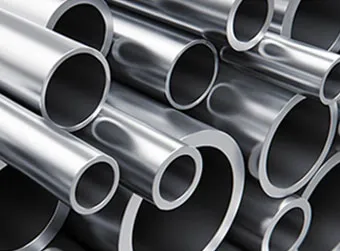
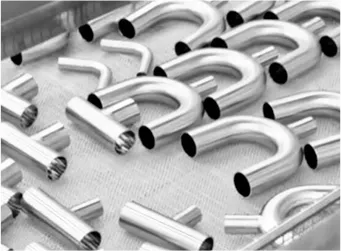
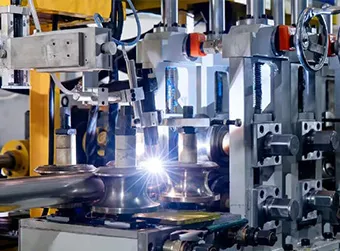
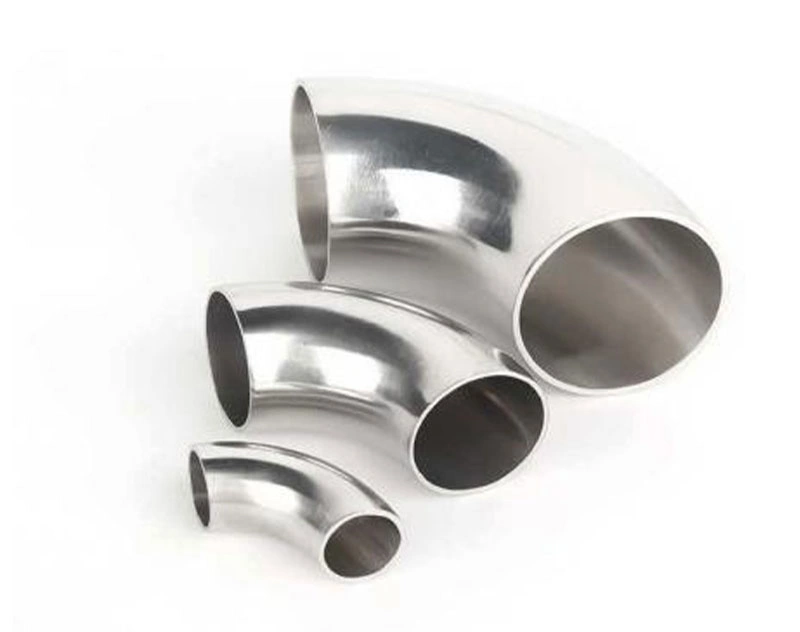
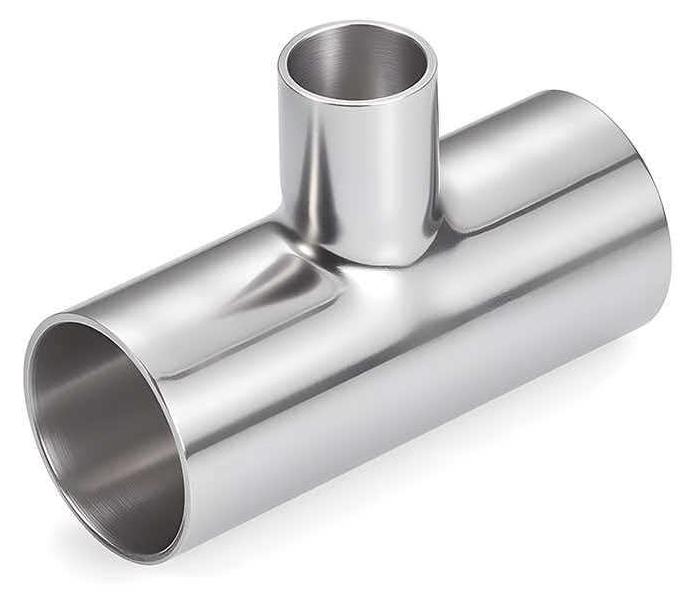
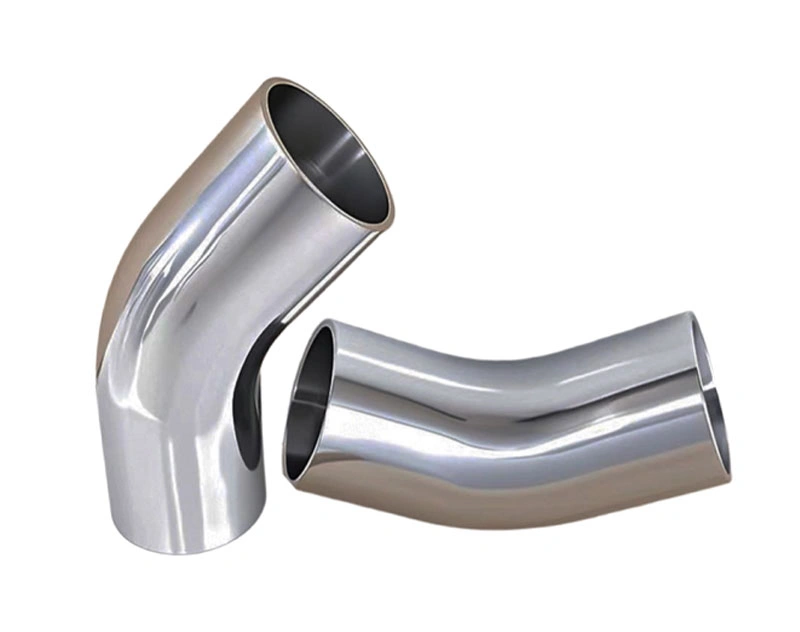
Mechanical and Machining Properties: Tensile strength at room temperature ≥660 MPa, yield strength ≥240 MPa, elongation ≥40%; weldable (temperature control required to prevent carbide precipitation); can be processed into seamless pipes, welded pipes, elbows, tees, flanges, plates, and forgings; the decrease in corrosion resistance in the weld heat-affected zone is controllable, and post-weld heat treatment can further optimize it.
Temperature Adaptability: Suitable for long-term operation in highly corrosive conditions below 400°C; excellent high-temperature oxidation and creep resistance, also suitable for medium-temperature chemical reactors.
Applicable Scenarios
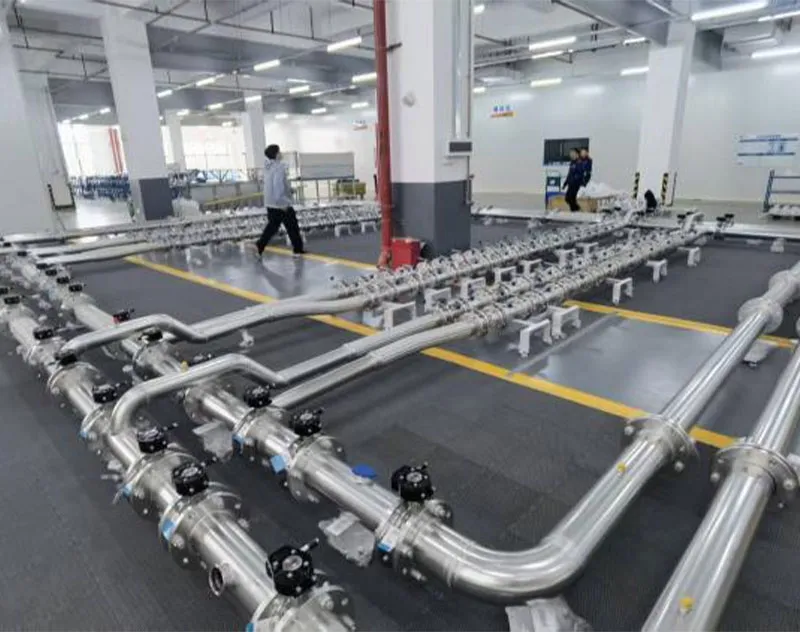
Semiconductor/Data Center: Ultra-high purity corrosive liquid transportation, special liquid cooling systems
food: Production equipment for high-salt, high-acid, and chlorine-containing foods: Ordinary stainless steel is corroded by salt, vinegar, citric acid, and chloride ions, but HC22 is highly resistant to this. Applicable foods: Soy sauce, vinegar, cooking wine; tomato sauce, fruit juice, acidic beverages; pickled foods, salted vegetables, braised products; seafood processing, salted soup bases. Equipment used: Reactors, mixing tanks; heat exchangers, heaters; transfer pumps, valves, pipelines.
medicine: Active Pharmaceutical Ingredient Synthesis and Reaction System
Reaction vessel/reactor: Used for synthesizing highly corrosive active pharmaceutical ingredients (such as antibiotics, hormones, antitumor drugs, ADC drugs), resistant to hydrochloric acid, sulfuric acid, acetic acid, chlorine/bromine-containing media, and high-temperature mixed acids.

.jpg)