Key Performance Characteristics
Mechanical Properties: Yield strength ≥ 450 MPa (approximately twice that of 316L), tensile strength ≥ 620 MPa, elongation ≥ 25%; allows for reduced wall thickness, weight, and cost savings; suitable for high-pressure liquid cooling main pipelines.
Corrosion Resistance: Better resistance to Cl⁻ and stress corrosion cracking (SCC) than 316L; resistant to seawater, water glycol, deionized water, and weak acids and alkalis; not suitable for strong oxidizing acids (such as concentrated nitric acid).
Temperature Resistance: Long-term recommended temperature range is -50℃ to 250℃; short-term resistance up to 300℃ is possible, but avoid prolonged exposure to high temperatures to prevent σ phase precipitation.
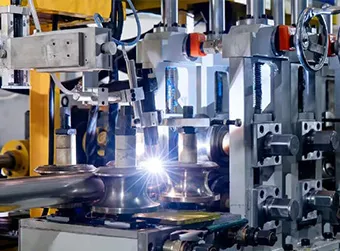
Welding: Suitable for TIG/MIG/submerged arc welding; heat input control and compatibility with 2209 welding consumables; preheating is generally not required before welding, and post-weld heat treatment is usually unnecessary; overheating is strictly prohibited.
Physical Properties: Lower coefficient of thermal expansion than 316L, better thermal conductivity, better match with carbon steel, and reduced thermal stress.
Applicable Scenarios
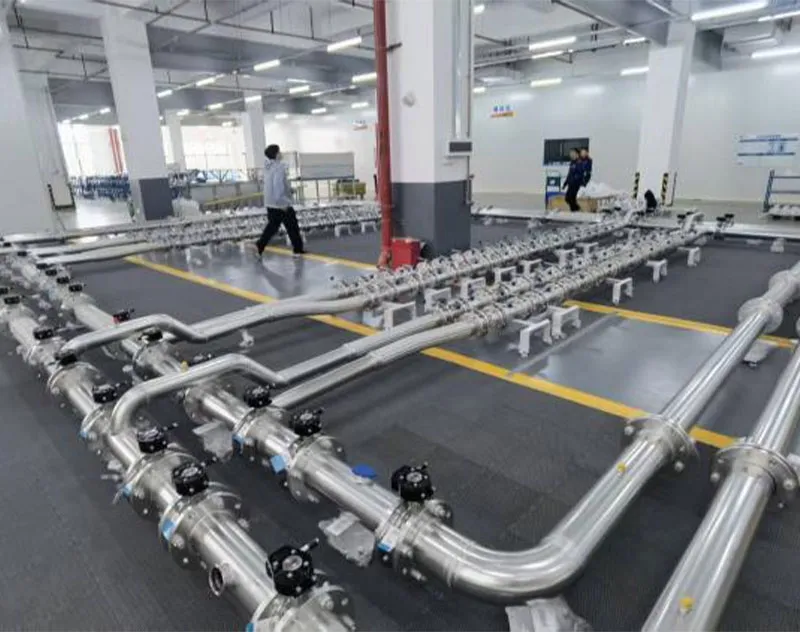
Liquid-cooled pipes, CDUs, heat exchangers, and water-cooled plates for coastal/island data centers
Seawater desalination and offshore wind power cooling systems
Oil and gas wellheads, subsea pipelines, and desulfurization systems
High-pressure chlorine-containing media pipelines and pressure vessels in chemical industries
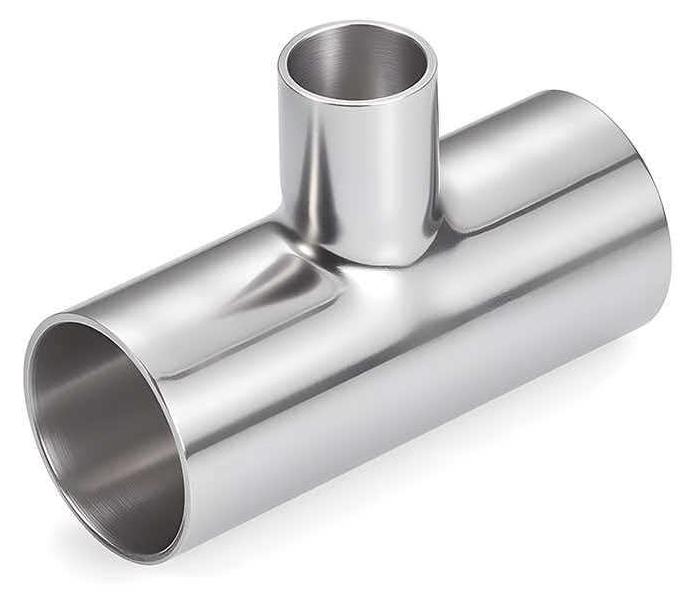
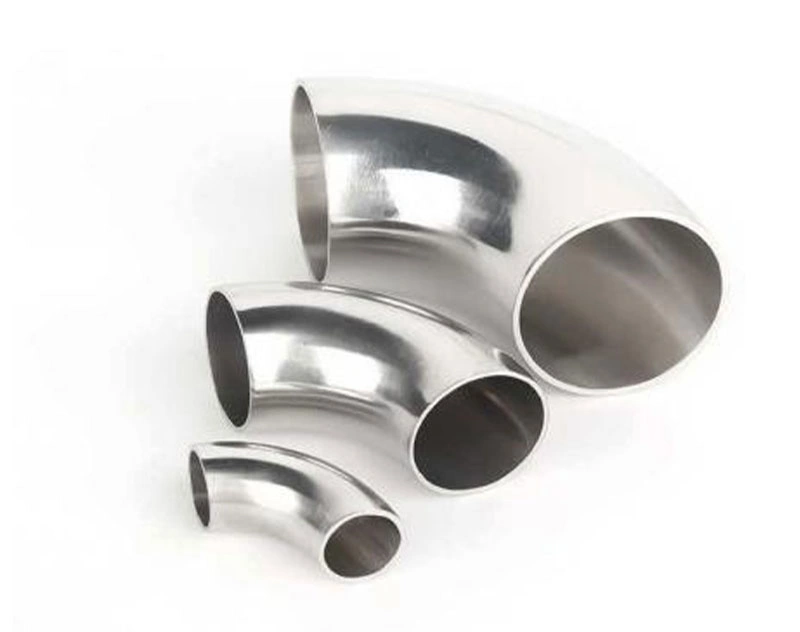
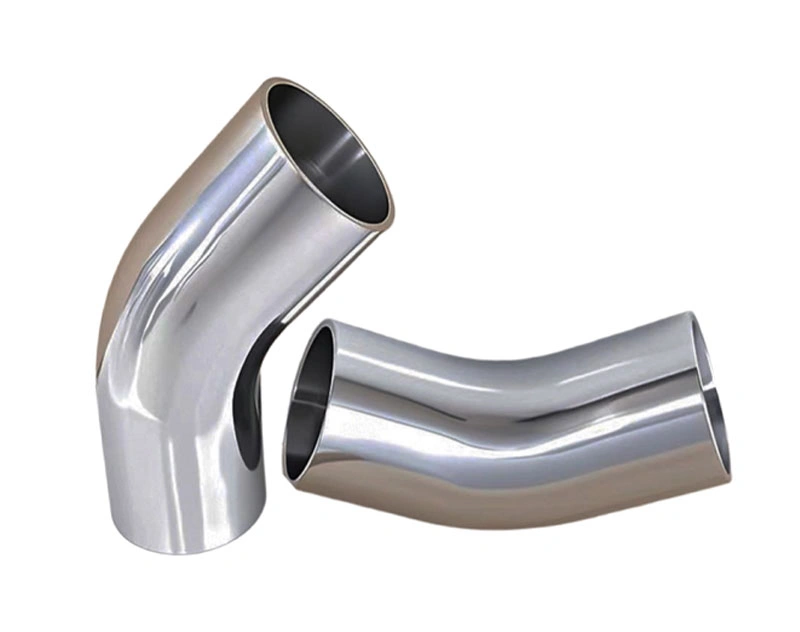
Welded structures such as eccentric reducers, tees, flanges, and fittings
Precautions & Selection Tips
Welding must use 2209 special welding materials. 316L welding materials are strictly prohibited; otherwise, the weld corrosion resistance/strength will drastically decrease.
Avoid long-term operation above 300℃; pickling and passivation are essential.
For inland pure water and chlorine-free liquid cooling, 316L offers better cost-effectiveness; for coastal/seawater/high salt spray environments, 2205 is preferred.
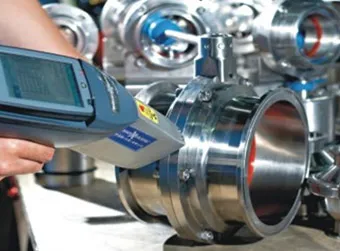
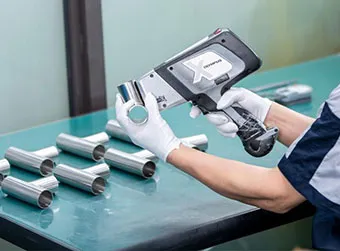
Procurement must include Material Test Report (MTR) + spectral analysis + intergranular corrosion test report.