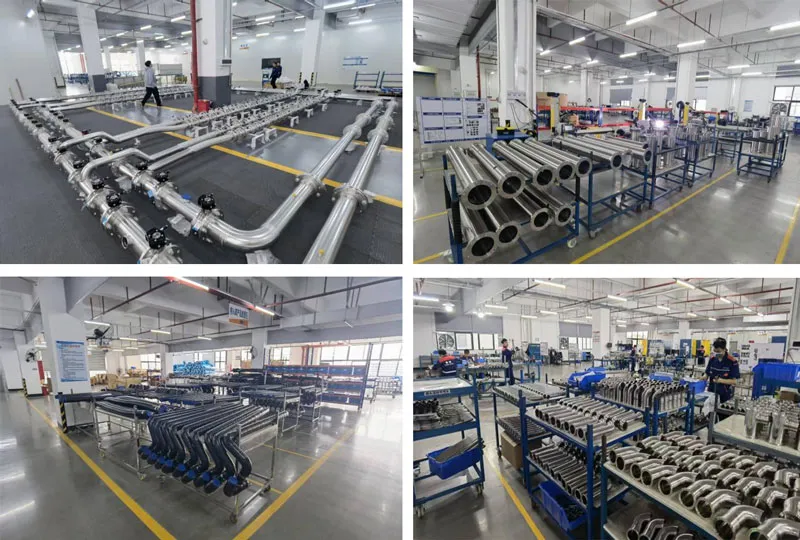
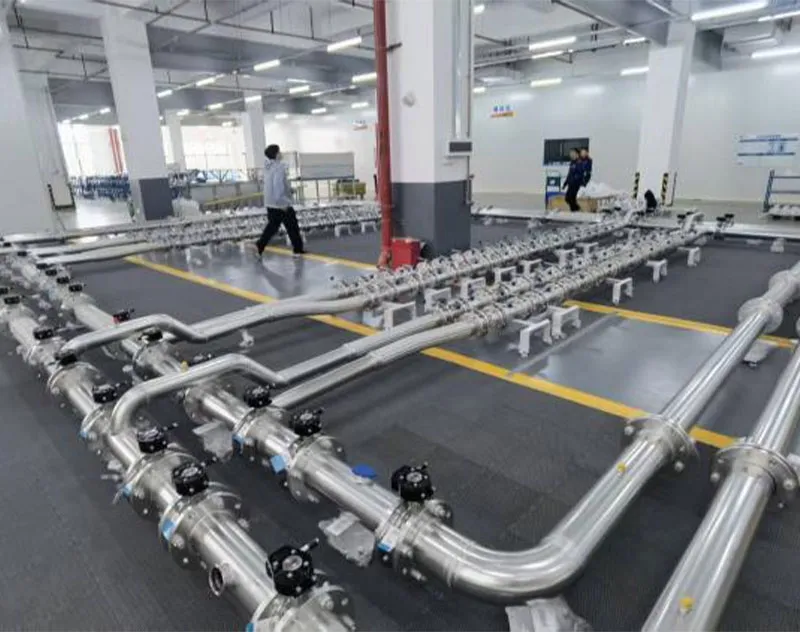
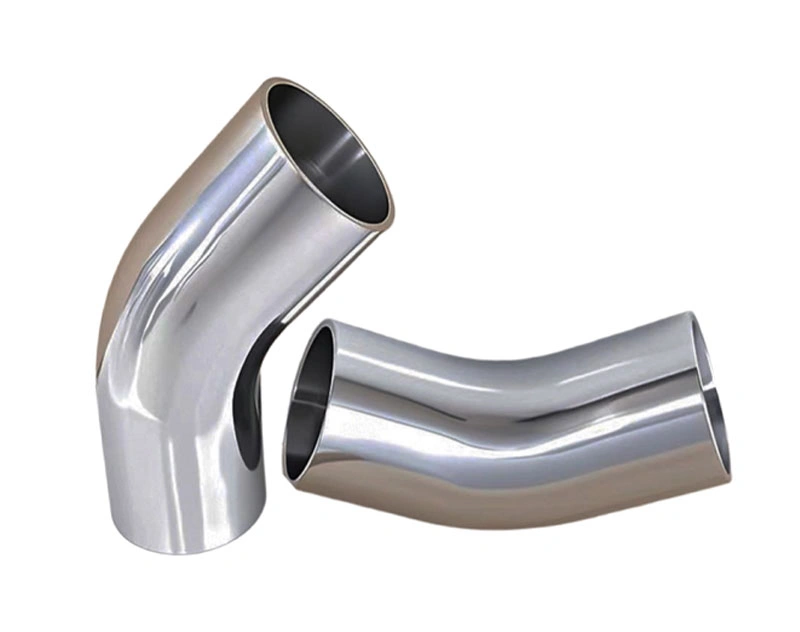
Liquid cooling pipes are the core fluid channels of liquid cooling systems, responsible for transporting coolant, distributing flow, and connecting components such as cold plates, cabinets, and CDUs. They directly determine the system's heat dissipation efficiency and reliability. The following details their classification, materials, specifications, selection, and applications.
Core Classifications (by Material/Structure)
1. Metal Liquid Cooling Pipes (High Pressure/Fixed/Long Life)
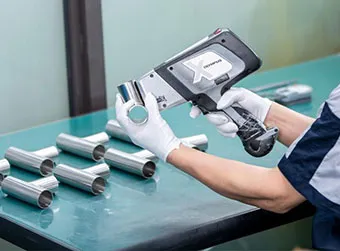
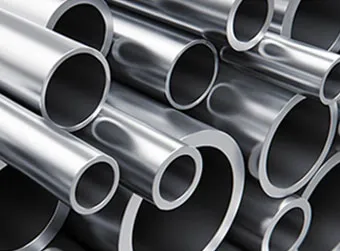
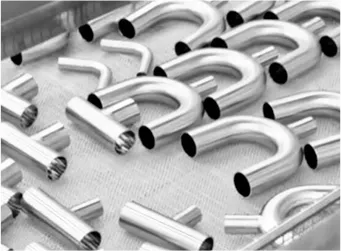
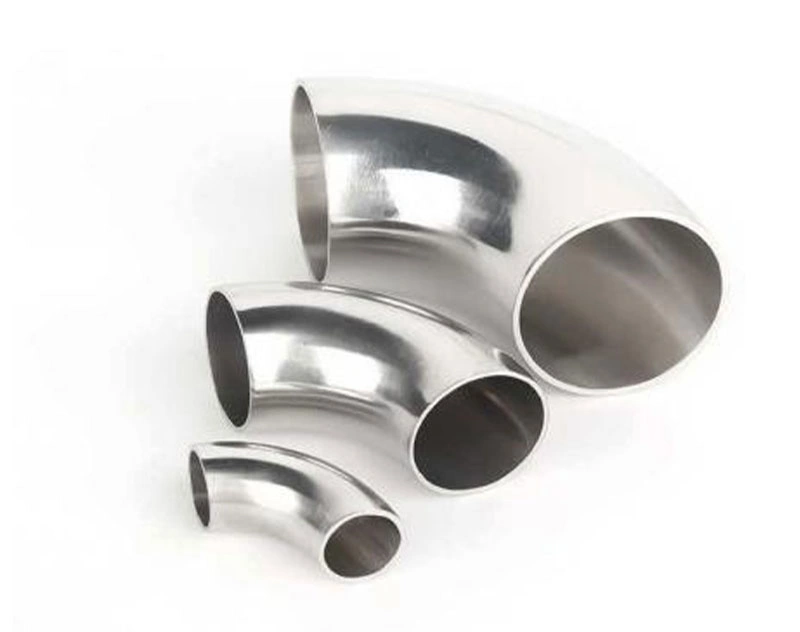
Stainless Steel Pipes (304/316L)
• Characteristics: High pressure resistance (10–30 bar), temperature resistance -196℃~800℃, corrosion resistance, long lifespan, smooth inner wall with low flow resistance.
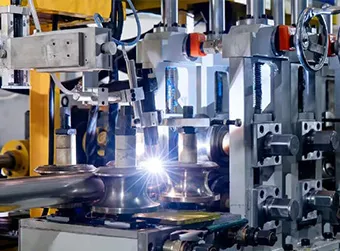
• Structure: Seamless steel pipes, welded steel pipes, stainless steel corrugated pipes (good flexibility, vibration absorption, compensation for thermal expansion and contraction).
• Applications: Data center main piping, high-voltage circuits, AI supercomputing, energy storage, chemical liquid cooling.
Copper Pipes
• Characteristics: Good thermal conductivity, easy to process, excellent sealing, resistant to water and ethylene glycol.
• Applications: Internal cold plate applications, precision equipment, medium- and low-voltage circuits.
Titanium Tube (TA2)
• Characteristics: Extremely corrosion-resistant, lightweight, resistant to highly corrosive media.
• Applications: Specialty chemicals, high-purity coolants, immersion liquid cooling.
2. High-Polymer Flexible Pipes (Medium- and Low-Pressure / Dynamic / Lightweight)
EPDM (Ethylene Propylene Diene Monomer) Flexible Hoses
• Characteristics: Temperature resistance -40℃~150℃, excellent flexibility, low cost, compatible with water and ethylene glycol.
• Applications: Internal server connections, cold plate dynamic interfaces, conventional liquid cooling.
FEP (Fluoropolymer) Corrugated Pipe
• Characteristics: Transparent, temperature resistance -200℃~200℃, corrosion-resistant, bending radius 5D.
• Applications: Immersion liquid cooling, fluorinated fluids, high-cleanliness environments.
PTFE (Teflon) Pipe
• Characteristics: Temperature resistance -200℃~260℃, resistant to almost all media, zero leaching, minimal flow resistance.
• Applications: High-purity liquid cooling, semiconductors, highly corrosive environments.
PA12/PA66 (Nylon) Composite Pipe
• Characteristics: Lightweight, temperature resistance -40℃~120℃, vibration resistant, moderate cost.
• Applications: Energy storage containers, automotive thermal management, low-pressure circuits.
Key Specifications
Pipe Diameter (DN / inches): DN8–DN200 (1/4"–8"), calculated by flow rate: Pipe Diameter = √(4Q/(πv)), commonly used flow velocity for liquid cooling: 0.6–1.2m/s.
Wall Thickness: Selected according to pressure and material; Stainless steel 1.5–3mm, Polymer 1–2mm.
Connection Methods
• Metal: Butt welding, socket welding, flange, ferrule, quick-connect.
• Polymer: Quick-connect, clamp, threaded, and specialized connectors.
Standards
• GB/T 12459, ASME B16.9, GB/T 3091, ISO 14001.
Selection Logic (Scenario Matching)
• High pressure/Fixed/Long lifespan → Select 316L stainless steel.
• Dynamic connection/Vibration/Lightweight → Select stainless steel corrugated pipe or EPDM flexible hose.
• High cleanliness/Strong corrosion → Select PTFE/FEP.
• Cost-sensitive/Normal operating conditions → Select EPDM or PA12.
Typical Application Scenarios
• Data centers/AI servers: Cold plate/immersion liquid cooling, main piping uses 316L stainless steel, internal connections use EPDM/FEP flexible hose.
• Energy storage systems: Containerized liquid cooling, PA12 composite pipe + stainless steel main piping, suitable for -40℃~120℃.
• New Energy Vehicles: Battery/Motor liquid cooling, stainless steel + rubber hoses, vibration and temperature resistant.
• Industrial/Semiconductor: Precision equipment cooling, PTFE/titanium tubing, high cleanliness, strong corrosion resistant.
Installation and Maintenance Points
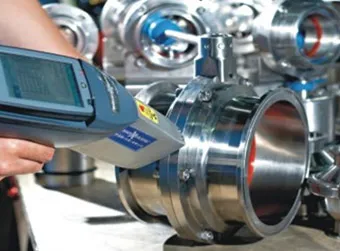
• Metal Piping: Welds require beveling and flaw detection; corrugated pipes should avoid excessive bending; support spacing should be reasonable to prevent sagging.
• Flexible Piping: Bending radius ≥ 5D (FEP)/8D (PTFE); avoid sharp friction; regularly check for aging/leakage.
• System: After installation, perform pressure testing (1.5 times working pressure) and flow testing to ensure no leaks and compliant flow resistance.
Differences from Ordinary Industrial Piping
• Liquid-cooled piping emphasizes low flow resistance, high cleanliness, leak prevention, resistance to coolant corrosion, and adaptability to vibration/thermal expansion.
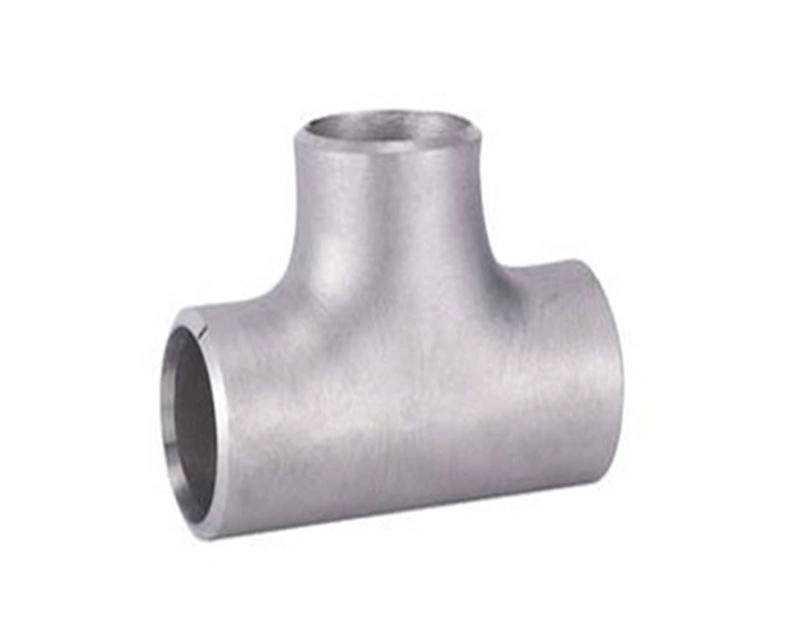
• Commonly uses long concentric/eccentric reducers, Y-tees, corrugated pipes, and specialized fittings, rather than ordinary industrial pipe fittings.